Archive June 15, 2023

The Health Benefits of Lion’s Mane Mushroom Supplement

supplement

Have you heard of the Lion’s Mane mushroom? No, it’s not a mythical creature or a new species of lion. It’s a type of mushroom used for centuries in traditional Chinese medicine. But what makes this mushroom so special?

Recent studies have shown that taking Lion’s Mane mushroom supplements can provide incredible health benefits for both your body and mind. So, if you’re curious about boosting your overall wellness with natural remedies, keep reading to learn more about the amazing health benefits of Lion’s Mane mushroom supplement.

Boosts Cognitive Function and Mental Clarity

think

Picture this: a mushroom that could potentially enhance your brainpower. Sounds like something straight out of a fantasy novel, right? Well, Lion’s Mane mushroom might just be the real deal. Research suggests that Lion’s Mane contains compounds that can stimulate the production of nerve growth factor (NGF), a protein critical for brain health. By promoting NGF synthesis, this fantastic fungi may support cognitive function, improve memory, and enhance mental clarity. So, if you want to stay sharp and focused, consider adding the best lion’s mane supplement reviewed by world mushroom society to your wellness arsenal.

Supports Nervous System Health

kneeIn addition to its cognitive benefits, Lion’s Mane mushroom may also play a role in maintaining a healthy nervous system. Studies have indicated that Lion’s Mane exhibits neuroprotective properties by potentially reducing inflammation and oxidative stress in the brain. This could positively impact conditions such as Alzheimer’s and Parkinson’s diseases. While more research is needed, the potential for Lion’s Mane mushroom to support nervous system health is worth exploring further.

Aids Digestive Health

Are you tired of battling digestive issues? Lion’s Mane mushroom might offer some relief. Traditionally used in Chinese medicine to promote digestion, this incredible fungus has been found to possess anti-inflammatory and gastroprotective properties. It may help soothe gastrointestinal discomfort, reduce inflammation in the gut, and support a healthy digestive system. So, if you’re struggling with digestive woes, consider trying Lion’s Mane mushroom supplement.

Immune System Support

Boosting your immune system is always a good idea, and Lion’s Mane mushroom could be just the ally you need. Preliminary research suggests that Lion’s Mane may have immune-enhancing properties, stimulating the production of immune cells and promoting overall immune system health. Incorporating this mushroom supplement into your routine might give your body an extra line of defense against common ailments.

Promotes Overall Well-being and Stress Relief

stressIn our fast-paced, stress-filled lives, finding natural ways to relax and unwind is essential. Lion’s Mane mushroom has been associated with potential stress-relieving properties, helping to combat anxiety and depression symptoms. Moreover, it has been used in traditional medicine as an adaptogen, which means it may help the body adapt to stress more effectively. You might feel calmer, more centered, and ready to take on the world by including Lion’s Mane mushroom in your self-care regimen.

And there you have it, folks; a glimpse into the incredible health benefits of Lion’s Mane mushroom supplement. From boosting cognitive function and supporting nervous …
What Your Heart Rate Actually Says About Your Health

monitor

Our heart rate is something that we all experience on a daily basis, whether it’s racing after a workout or slowing down during moments of relaxation. As your read this acrosophy stethoscope review, you’ll learn what your heart rate can say about you.

But is that true that our heart rate can actually reveal important information about our overall health? In this blog post, we’ll explore the various things that your heart rate could be telling you about your body and what steps you can take to maintain optimal health. Find out more about how to listen to what your heart is saying.

You’re Feeling Stressed

Stress is pretty common; we all encounter it from time to time. But we shouldn’t be. Whether it’s due to work, relationships, or other factors in our lives, stress can pose a serious threat to our overall health and well-being. Luckily, stress manifests itself in our bodies through changes in heart rate. When we’re stressed out, our body releases adrenaline and cortisol hormones which cause

an increase in heart rate. This response is designed to prepare us for “fight or flight” situations where we need to be alert and ready for action.

However, longer stress can lead to chronic increases in heart rate, which puts additional strain on the cardiovascular system. Over time this can contribute to vascular diseases, including high blood pressure and, even more dangerous, heart disease.

You Have Diabetes or Are About to Get It

diabetes

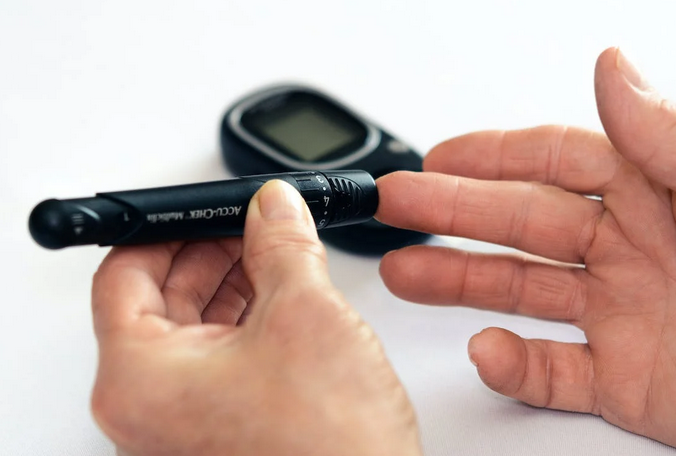
Your heart rate can also be an indicator of your risk for diabetes. Diabetes affects how your body processes blood glucose, commonly known as blood sugar. High glucose levels in your bloodstream mean you either have diabetes or are at risk of developing the condition.

A fast resting heart rate may indicate that you have insulin resistance, which occurs when cells in your body don’t respond well to insulin and can’t use glucose effectively. This puts lots of stress on your pancreas to generate more insulin than usual to regulate blood sugar levels.

Additionally, research has shown that people with higher resting heart rates are more likely to develop type 2 diabetes later in comparison to those with normal or low resting heart rates. For this reason, monitoring changes in your heart rate over time can help identify issues early on and prevent complications related to diabetes.

You’re Lacking Exercise

We know that exercise helps strengthen the heart muscle, making it more efficient at pumping blood throughout the body. That said, when we don’t get enough physical activity, our heart has to work harder to perform its job effectively. It’ll bring various issues, such as an increased heart rate even when we’re at rest.

So remember that regular exercise doesn’t just benefit our cardiovascular health – it also improves our mental well-being and overall quality of life. Incorporating strength training exercises into your routine can also help improve cardiovascular health by increasing muscle mass and reducing body fat percentage.

Our heart rate is much more than …

First Aid Training: A Life-Saving Skill Worth Learning

dispatch

Today, we’re going to talk about a topic close to our hearts – first aid training. You might be wondering why it’s essential, and we’re here to tell you all about it. In our day-to-day lives, accidents or emergencies can happen at any moment. And when they do, having the knowledge and skills to handle these situations can make all the difference. Getting first aid training courses can prepare you for any medical emergency, allowing you to make informed decisions and act quickly.

Imagine this, you’re at the park with your family, and suddenly, your child trips and falls, scraping their knee. Or maybe you’re at work, and a colleague starts choking on their lunch. These are just a couple of scenarios where knowing first aid can be incredibly helpful.

First Aid: The Basics

First aid is the immediate care given to someone who is injured or suddenly becomes ill before professional medical help arrives. It could be as simple as applying a bandage to a small cut or as crucial as performing CPR on someone who has stopped breathing. The goal of first aid is to preserve life, prevent further harm, and promote recovery.

When learning first aid, it’s important to familiarise yourself with the basics. This includes knowing how to perform CPR, recognize and treat wounds, respond when someone is choking, heatstroke, or fainting, perform the Heimlich maneuver correctly, and recognize signs of a heart attack or stroke. Additionally, you’ll need to know basic first aid supplies such as bandages, gauze, and other items.

Why Get Trained?

training

You might wonder why you should get first aid training when there are doctors and nurses for that. Well, the truth is, emergencies can happen anytime, anywhere, and sometimes, every second counts. Knowing first aid can make a huge difference in those critical moments before professional help arrives.

Let’s take a look at a real-life scenario. Imagine you’re at a family gathering, and your elderly aunt suddenly collapses, clutching her chest. Panic sets in, and everyone is unsure of what to do. But you, having taken a first aid course, recognize the signs of a heart attack and jump into action. You call for emergency help, administer aspirin, and monitor your aunt’s condition, potentially saving her life. Sounds like something a superhero would do, right?

What to Expect From a First Aid Course

First aid courses are designed to equip you with the knowledge and skills to handle various emergencies. You’ll learn essential techniques like CPR, how to treat burns, cuts, and sprains, and how to recognize the signs of severe conditions like stroke or heart attack. Most courses are hands-on, so you’ll get plenty of practice to build your confidence in your newfound skills.

The Value of First Aid Training

By now, it should be clear why first aid training is so important. It can save lives and give you the peace of mind that you’re prepared to handle any medical emergency, no matter how big or small. So, take …