Archive December 11, 2023

How Vape Pens Can Contribute to a Healthier You

e-cigarette

In recent years, the use of vape pens has gained significant popularity as an alternative to traditional smoking. With an increasing number of people interested in leading healthier lifestyles, vape pens have emerged as a promising solution. Before clicking on the ‘Vape Pen nachfüllbar’ ads, it’s advisable to know more about vaping. Let’s delve into the various ways vape pens can contribute to a healthier you.

Eliminating Harmful Chemicals

Eliminating Harmful ChemicalsThe most significant advantage of vape pens over traditional cigarettes is the absence of harmful chemicals. Unlike cigarettes, which produce smoke through combustion, vape pens heat e-liquids to create vapor. As a result, there is no burning of tobacco or release of toxic substances like tar, carbon monoxide, or other carcinogens. By choosing a vape pen, you can significantly reduce your exposure to harmful chemicals, promoting better lung health.

Controlled Nicotine Intake

One of the biggest challenges faced by smokers trying to quit is the sheer difficulty of breaking the nicotine addiction. Vape pens offer a solution by allowing users to control their nicotine intake. E-liquids come in various strengths, giving you the flexibility to choose the nicotine level that suits your needs. Over time, you can gradually reduce the nicotine strength, eventually helping you kick the habit altogether.

Improved Respiratory Function

Smoking can cause serious damage to your respiratory system, leading to chronic conditions such as bronchitis or emphysema. Vaping, on the other hand, has been shown to improve respiratory function. Without the inhalation of harmful smoke and chemicals, vape pens provide a less invasive option for those looking to minimize the impact on their lungs. Regular exercise combined with vaping can be a significant step towards better respiratory health..

shopping

Variety of Flavors

Vape pens offer a wide variety of flavors, ranging from traditional tobacco to fruity or dessert-inspired options. This variety plays a crucial role in helping individuals transition from traditional cigarettes to vaping. By finding flavors that you enjoy, you’re more likely to stick to your vape pen and avoid going back to smoking. Additionally, the pleasant taste and aroma can enhance the overall experience, making it more enjoyable than traditional smoking.

Social Benefits

Smoking tobacco cigarettes often leads to social isolation due to increasing limitations on smoking in public spaces. Vape pens, however, provide a socially acceptable alternative. As vape pens produce vapor that dissipates quickly and leaves behind little to no odor, you can enjoy your vape without disturbing those around you. This means you can still satisfy nicotine cravings while participating in social activities without the stigma associated with smoking.

smoking

Conclusion

Vaping with the use of vape pens can undoubtedly contribute to a healthier you. By eliminating harmful chemicals, controlling nicotine intake, improving respiratory function, offering a variety of flavors, and providing social benefits, vape pens present a compelling option for smokers looking to make a positive change. However, it is important to note that while vaping may be a healthier alternative to smoking, it is not without its risks. It is advisable to consult …


The Advantages of Home Healthcare Services: A Comprehensive Guide

tube

There has been a growing demand for home healthcare services as an alternative to traditional institutional care in recent years. Home health care manhattan ny, for instance, provides individuals with personalized and comprehensive medical assistance in the comfort and familiarity of their homes. Below is a look at the advantages of home health care.

Personalized Care

Care plans are designed to address specific medical conditions, considering the patient’s preferences and goals. This personalized approach ensures that patients receive attention while maintaining their independence and dignity.

Enhanced Safety

For many patients, safety is a primary concern when considering care options. Home health care provides a safe and controlled environment where patients can receive medical services without the risks of hospital-acquired infections or falls. Additionally, trained professionals can assess and modify the home environment to minimize potential hazards and ensure optimal safety.

Cost-Effective

Home health care can be a cost-effective alternative to hospital stays or nursing home care. By receiving necessary medical services at home, patients can avoid the costly expenses associated with hospital admissions, such as room charges and additional fees. Moreover, home health care can help prevent or reduce frequent hospital readmissions, leading to significant cost savings in the long run.

Family Involvement and Support

home care

Home health care promotes family involvement in the caregiving process. Family members can actively take part in their loved one’s care, allowing for increased emotional support and improved communication between patients, caregivers, and healthcare professionals. This involvement strengthens the bond between family members and helps patients feel valued, loved, and emotionally supported.

Improved Quality of Life

By receiving medical care in the comfort of their own homes, patients often experience an improved quality of life. They can maintain daily routines, engage in enjoyable activities, and remain connected to their communities. Home health care supports a sense of normalcy and independence, fostering emotional well-being and happiness.

Continuity of Care

Receiving care at home ensures continuity of care and frequent monitoring by a dedicated healthcare team. With regular home visits from skilled professionals, patients can effectively manage their health conditions, receive timely medication management, and undergo necessary therapy sessions – all within their familiar environment. This level of care reduces the risk of complications and promotes better health outcomes.

Home health care offers many advantages for patients seeking personalized, comfortable, cost-effective medical care. By allowing individuals to receive comprehensive care in the comfort of their houses, home health care improves safety, enhances quality of life, fosters family involvement, and ensures continuity of care.…

The Health Benefits of Lion’s Mane Mushroom Supplement

supplement

Have you heard of the Lion’s Mane mushroom? No, it’s not a mythical creature or a new species of lion. It’s a type of mushroom used for centuries in traditional Chinese medicine. But what makes this mushroom so special?

Recent studies have shown that taking Lion’s Mane mushroom supplements can provide incredible health benefits for both your body and mind. So, if you’re curious about boosting your overall wellness with natural remedies, keep reading to learn more about the amazing health benefits of Lion’s Mane mushroom supplement.

Boosts Cognitive Function and Mental Clarity

think

Picture this: a mushroom that could potentially enhance your brainpower. Sounds like something straight out of a fantasy novel, right? Well, Lion’s Mane mushroom might just be the real deal. Research suggests that Lion’s Mane contains compounds that can stimulate the production of nerve growth factor (NGF), a protein critical for brain health. By promoting NGF synthesis, this fantastic fungi may support cognitive function, improve memory, and enhance mental clarity. So, if you want to stay sharp and focused, consider adding the best lion’s mane supplement reviewed by world mushroom society to your wellness arsenal.

Supports Nervous System Health

kneeIn addition to its cognitive benefits, Lion’s Mane mushroom may also play a role in maintaining a healthy nervous system. Studies have indicated that Lion’s Mane exhibits neuroprotective properties by potentially reducing inflammation and oxidative stress in the brain. This could positively impact conditions such as Alzheimer’s and Parkinson’s diseases. While more research is needed, the potential for Lion’s Mane mushroom to support nervous system health is worth exploring further.

Aids Digestive Health

Are you tired of battling digestive issues? Lion’s Mane mushroom might offer some relief. Traditionally used in Chinese medicine to promote digestion, this incredible fungus has been found to possess anti-inflammatory and gastroprotective properties. It may help soothe gastrointestinal discomfort, reduce inflammation in the gut, and support a healthy digestive system. So, if you’re struggling with digestive woes, consider trying Lion’s Mane mushroom supplement.

Immune System Support

Boosting your immune system is always a good idea, and Lion’s Mane mushroom could be just the ally you need. Preliminary research suggests that Lion’s Mane may have immune-enhancing properties, stimulating the production of immune cells and promoting overall immune system health. Incorporating this mushroom supplement into your routine might give your body an extra line of defense against common ailments.

Promotes Overall Well-being and Stress Relief

stressIn our fast-paced, stress-filled lives, finding natural ways to relax and unwind is essential. Lion’s Mane mushroom has been associated with potential stress-relieving properties, helping to combat anxiety and depression symptoms. Moreover, it has been used in traditional medicine as an adaptogen, which means it may help the body adapt to stress more effectively. You might feel calmer, more centered, and ready to take on the world by including Lion’s Mane mushroom in your self-care regimen.
And there you have it, folks; a glimpse into the incredible health benefits of Lion’s Mane mushroom supplement. From boosting cognitive function and supporting nervous …

What Your Heart Rate Actually Says About Your Health

monitor

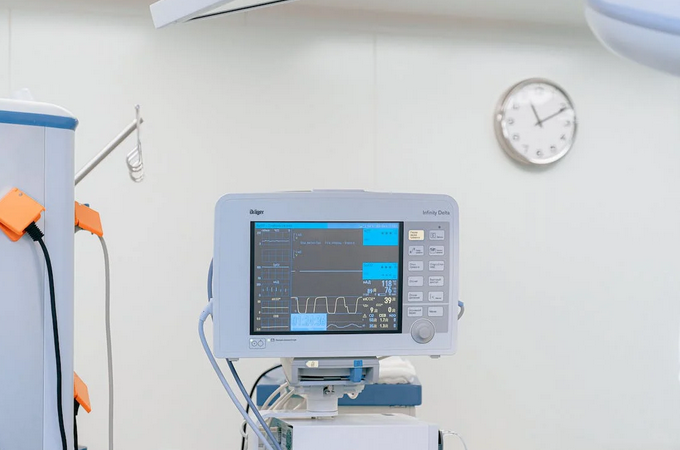
Our heart rate is something that we all experience on a daily basis, whether it’s racing after a workout or slowing down during moments of relaxation. As your read this acrosophy stethoscope review, you’ll learn what your heart rate can say about you.

But is that true that our heart rate can actually reveal important information about our overall health? In this blog post, we’ll explore the various things that your heart rate could be telling you about your body and what steps you can take to maintain optimal health. Find out more about how to listen to what your heart is saying.

You’re Feeling Stressed

Stress is pretty common; we all encounter it from time to time. But we shouldn’t be. Whether it’s due to work, relationships, or other factors in our lives, stress can pose a serious threat to our overall health and well-being. Luckily, stress manifests itself in our bodies through changes in heart rate. When we’re stressed out, our body releases adrenaline and cortisol hormones which cause

an increase in heart rate. This response is designed to prepare us for “fight or flight” situations where we need to be alert and ready for action.

However, longer stress can lead to chronic increases in heart rate, which puts additional strain on the cardiovascular system. Over time this can contribute to vascular diseases, including high blood pressure and, even more dangerous, heart disease.

You Have Diabetes or Are About to Get It

diabetes

Your heart rate can also be an indicator of your risk for diabetes. Diabetes affects how your body processes blood glucose, commonly known as blood sugar. High glucose levels in your bloodstream mean you either have diabetes or are at risk of developing the condition.

A fast resting heart rate may indicate that you have insulin resistance, which occurs when cells in your body don’t respond well to insulin and can’t use glucose effectively. This puts lots of stress on your pancreas to generate more insulin than usual to regulate blood sugar levels.

Additionally, research has shown that people with higher resting heart rates are more likely to develop type 2 diabetes later in comparison to those with normal or low resting heart rates. For this reason, monitoring changes in your heart rate over time can help identify issues early on and prevent complications related to diabetes.

You’re Lacking Exercise

We know that exercise helps strengthen the heart muscle, making it more efficient at pumping blood throughout the body. That said, when we don’t get enough physical activity, our heart has to work harder to perform its job effectively. It’ll bring various issues, such as an increased heart rate even when we’re at rest.

So remember that regular exercise doesn’t just benefit our cardiovascular health – it also improves our mental well-being and overall quality of life. Incorporating strength training exercises into your routine can also help improve cardiovascular health by increasing muscle mass and reducing body fat percentage.

Our heart rate is much more than …

First Aid Training: A Life-Saving Skill Worth Learning

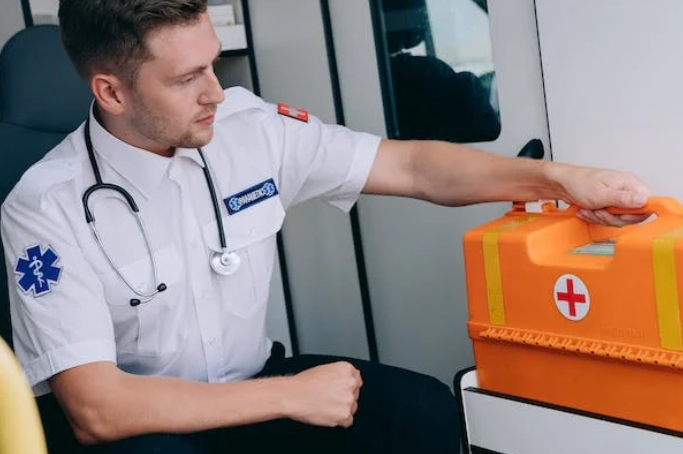
dispatch

Today, we’re going to talk about a topic close to our hearts – first aid training. You might be wondering why it’s essential, and we’re here to tell you all about it. In our day-to-day lives, accidents or emergencies can happen at any moment. And when they do, having the knowledge and skills to handle these situations can make all the difference. Getting first aid training courses can prepare you for any medical emergency, allowing you to make informed decisions and act quickly.

Imagine this, you’re at the park with your family, and suddenly, your child trips and falls, scraping their knee. Or maybe you’re at work, and a colleague starts choking on their lunch. These are just a couple of scenarios where knowing first aid can be incredibly helpful.

First Aid: The Basics

First aid is the immediate care given to someone who is injured or suddenly becomes ill before professional medical help arrives. It could be as simple as applying a bandage to a small cut or as crucial as performing CPR on someone who has stopped breathing. The goal of first aid is to preserve life, prevent further harm, and promote recovery.

When learning first aid, it’s important to familiarise yourself with the basics. This includes knowing how to perform CPR, recognize and treat wounds, respond when someone is choking, heatstroke, or fainting, perform the Heimlich maneuver correctly, and recognize signs of a heart attack or stroke. Additionally, you’ll need to know basic first aid supplies such as bandages, gauze, and other items.

Why Get Trained?

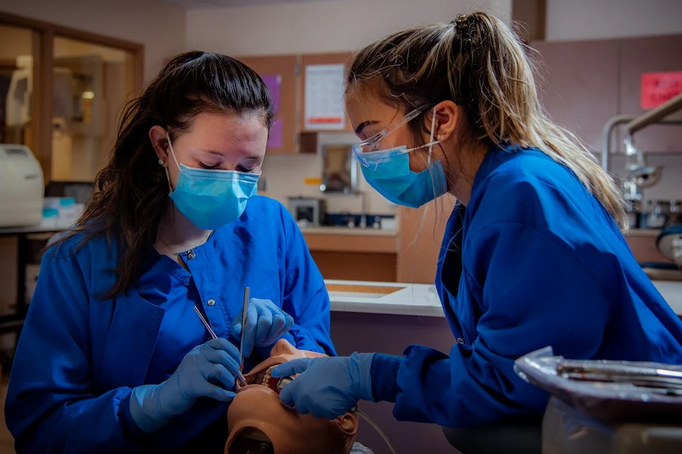
training

You might wonder why you should get first aid training when there are doctors and nurses for that. Well, the truth is, emergencies can happen anytime, anywhere, and sometimes, every second counts. Knowing first aid can make a huge difference in those critical moments before professional help arrives.

Let’s take a look at a real-life scenario. Imagine you’re at a family gathering, and your elderly aunt suddenly collapses, clutching her chest. Panic sets in, and everyone is unsure of what to do. But you, having taken a first aid course, recognize the signs of a heart attack and jump into action. You call for emergency help, administer aspirin, and monitor your aunt’s condition, potentially saving her life. Sounds like something a superhero would do, right?

What to Expect From a First Aid Course

First aid courses are designed to equip you with the knowledge and skills to handle various emergencies. You’ll learn essential techniques like CPR, how to treat burns, cuts, and sprains, and how to recognize the signs of severe conditions like stroke or heart attack. Most courses are hands-on, so you’ll get plenty of practice to build your confidence in your newfound skills.

The Value of First Aid Training

By now, it should be clear why first aid training is so important. It can save lives and give you the peace of mind that you’re prepared to handle any medical emergency, no matter how big or small. So, take …

Home Safety for Seniors: Tips and Tricks for a Safe and Comfortable Environment

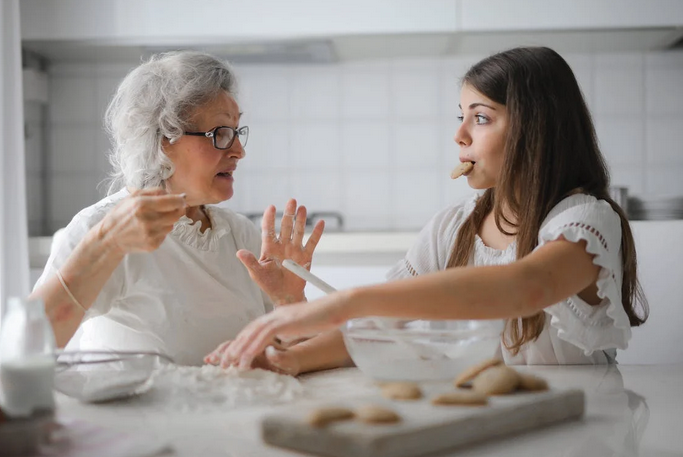
senior

Caring for elderly loved ones at home can be a rewarding experience, but it also comes with unique challenges. Ensuring their safety is one of the most critical aspects of caregiving. In this blog post, we’ll discuss some common safety hazards in the home and provide practical solutions to prevent them. Additionally, we’ll emphasize the importance of regular check-ins from friends, family, or professional caregivers to ensure that our elderly loved ones are safe and well-cared for. To ensure the safety of your elderly loved one, consider senior living in Houston, which offers a secure living atmosphere.

Identifying Common Safety Hazards

When caring for seniors at home, it’s essential to consider their physical limitations, mental state, and needs. Some common safety hazards in the home include:

  1. Falls: Falls are the leading cause of injury among seniors, and they can result in fractures, head injuries, and other complications.
  2. Fire hazards: Older adults may have difficulty reacting quickly to fires or may accidentally leave appliances on, posing a fire risk.
  3. Medication errors: Seniors often take multiple medications, increasing the risk of incorrect dosages or mix-ups.
  4. Wandering: Seniors with cognitive impairments, such as dementia or Alzheimer’s, may wander away from home and become lost or disoriented.

Practical Solutions for a Safer Home

dinner

Here are some tips to help make your home safer for elderly loved ones:

  • Prevent falls: Remove tripping hazards like loose rugs, clutter, and electrical cords. Install grab bars in the bathroom and ensure that stairways are well-lit and equipped with sturdy handrails.
  • Reduce fire hazards: Install smoke detectors and carbon monoxide detectors throughout the home, and check them regularly. Encourage seniors to use appliances with automatic shut-off features and avoid using candles.
  • Organize medications: Use pill organizers to help seniors keep track of their medications and dosages. Set reminders or alarms to ensure they take their medications on time.

The Importance of Regular Check-Ins

Regular check-ins from friends, family, or professional caregivers are crucial for ensuring the safety and well-being of elderly individuals. These visits can:

  • Provide an opportunity to assess the home environment and make any necessary safety modifications.
  • Monitor the senior’s physical and mental health, identifying changes requiring medical attention.
  • Offer companionship and social interaction, improving mental well-being and reducing feelings of loneliness and isolation.
  • Ensure that the senior is taking their medications correctly and receiving proper nutrition.

Consider setting up a schedule for regular visits or phone calls, and encourage open communication about any concerns or issues that may arise.

In Conclusion

By identifying common safety hazards and implementing practical solutions, we can create a safer and more comfortable home environment for our elderly loved ones. Regular check-ins from friends, family, or professional caregivers can provide additional support and reassurance, ensuring that our seniors are well-cared for and protected. With these measures in place, we can feel confident in our ability to care for older people and help them enjoy their golden years in their homes.…

Factors to Consider Before Choosing an Acne Scar Treatment

laser

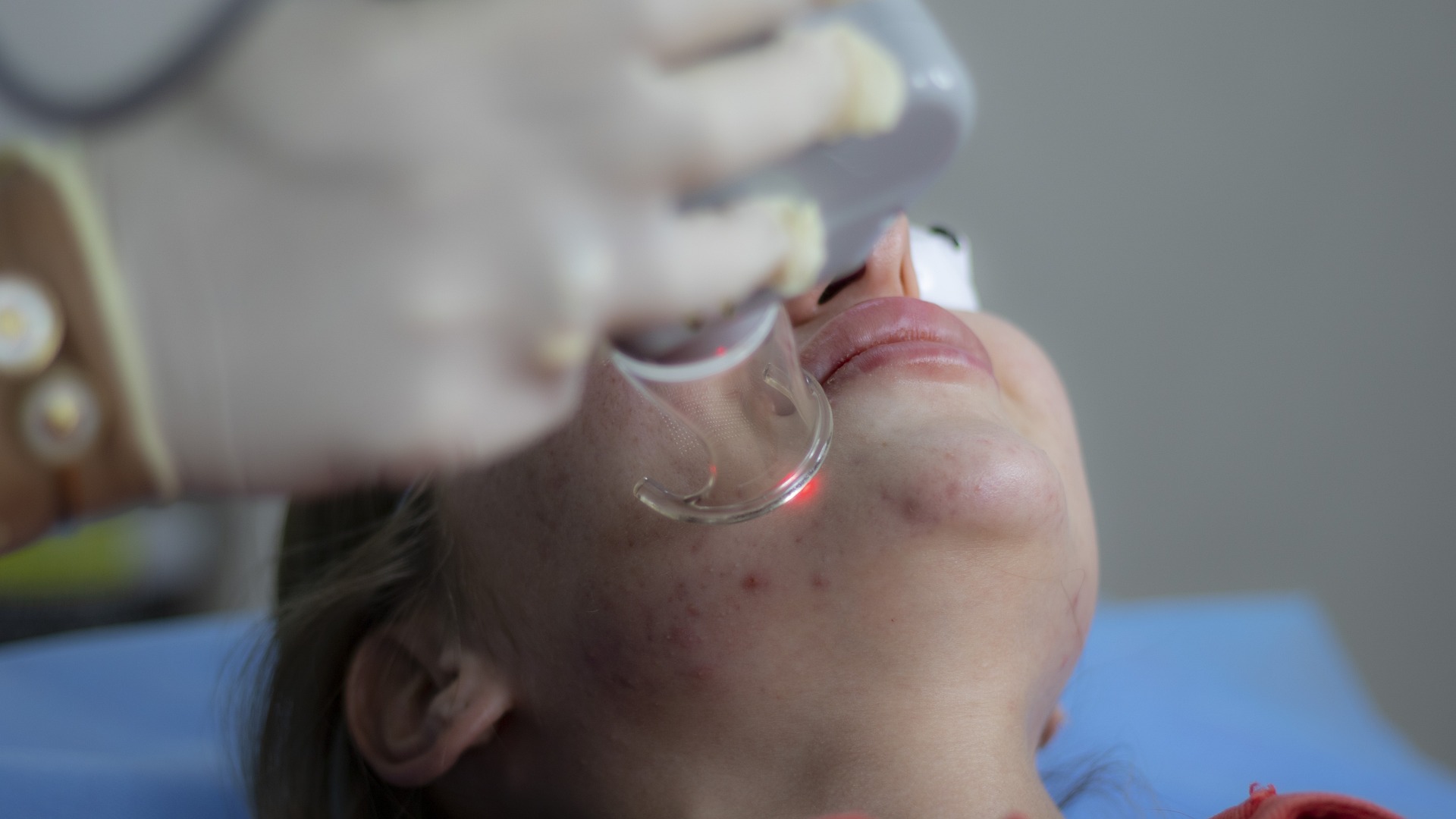
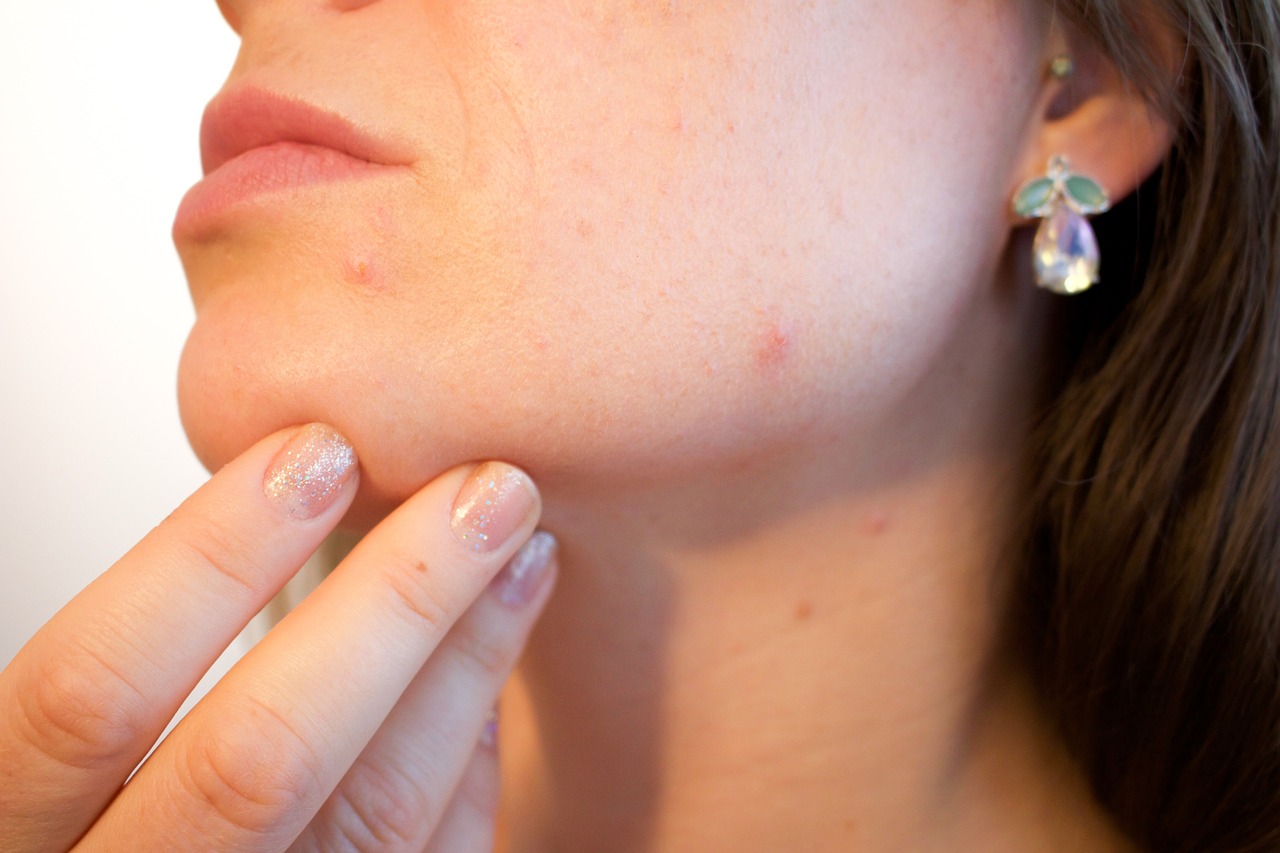
If you’ve battled with acne, then you know how frustrating it can be to get clear skin only to have scars finally remain. Fortunately, there are a plethora of treatments available for acne scarring that promise to restore your skin’s appearance. However, choosing the right one can be overwhelming and confusing. Before making any decisions, it’s important to consider several factors such as the severity and type of scarring, downtime and Recovery time required, cost, and insurance coverage options available. In this article, we’ll explore each factor in detail so you can decide which acne scar treatment is right for you!

Severity of Scarring

The severity of your acne scarring is important when choosing a treatment option. Scarring can range from mild to severe, and different treatments are suited for varying levels of severity. Mild scarring may be treated with topical creams or light therapy, while more moderate scarring may require chemical peels or microdermabrasion. Dermal fillers or even surgery may be necessary for severe scars such as deep pitted scars.

acne

Type of Scarring

When choosing an acne scar treatment, it’s important to consider the type of scarring you have. There are several types of acne scars, each requiring a specific approach for effective treatment. The most common types of acne scars include atrophic scars, which are characterized by a depressed or sunken appearance; hypertrophic and keloid scars, which result from an overproduction of collagen during healing and appear raised or thickened; and dark marks or discoloration left behind after acne has healed.

Downtime and Recovery

Downtime and Recovery are important factors before choosing an acne scar treatment. Different treatments require different amounts of downtime and recovery time, so it’s crucial to understand what you’re getting into. Some treatments may have minimal downtime and allow you to return to your daily activities immediately after the procedure. Others may require a few days or weeks of rest and Recovery before you can resume normal activity.

money

Cost and Insurance Coverage

The cost of acne scar treatment is important to consider before deciding. Different therapies have different prices, and it’s essential to ensure that you can afford the procedure. Insurance may sometimes cover part or all of the treatment expenses. Before choosing a specific acne scar treatment, it’s recommended to consult with your insurance provider regarding coverage options.

By considering these important considerations when selecting an acne scar treatment option, you can make informed decisions about which treatments are most likely to help you achieve clearer, healthier-looking skin over time. So take some time to research your options thoroughly before embarking on any new skincare regimen or procedure!…

The Top Mistakes You’re Making When Taking Supplements

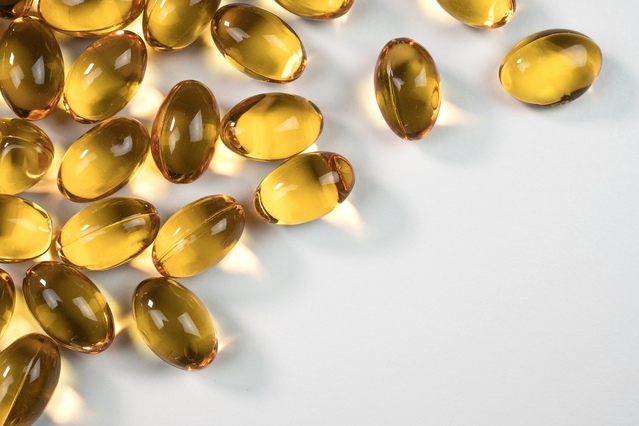
supplement

 Are you taking supplements but not seeing the results you want? You might be making one of these five common mistakes! This blog post will discuss the top mistakes people make when taking supplements and how to avoid them. If your suffering from low testosterone levels, it can be due to age or other lifestyle factors, and here are some great testosterone boosters to try

Not Being Consistent With Your Routine

One of the most common mistakes people make when taking supplements is not being consistent with their routines. Taking a supplement once or twice a week will not be effective if you don’t take it every day, as recommended. You need to handle your supplements for them to be effective consistently and impact your health.

Taking Too Much, or Not Enough

Another common mistake is taking too much or not enough of a supplement. It’s essential to follow the recommended dosage on the label, as this will ensure you get all the benefits without risking your health. Some supplements can be toxic if taken in high doses, so follow the instructions on the label.

taking supplement

Not Reading Labels

Not reading dietary supplement labels is another mistake many people make. Before taking any supplement, it’s essential to read the label carefully to ensure you know what you’re taking and why. Reading the label will also inform you about side effects, interactions with other medications, and additional important information.

It’s also important to be aware of any interactions between your supplement and other drugs or supplements you are taking. Some supplements can interact with medications, so it’s best to speak to a healthcare professional before taking any new supplements.

Not Understanding The Source Of The Supplement

Finally, it’s essential to understand where your supplements are coming from. Make sure you purchase reputable brands that have been tested for safety and quality. It’s also a good idea to buy from a trusted retailer or website, as this will help ensure you get a quality product. Also, look for supplements certified by organizations such as the USP or NSF, both third-party organizations certifying dietary supplements.

By avoiding these common mistakes, you can ensure you get the most out of your supplements and achieve optimal health and wellness. Be sure to follow the recommendations on the label, do your research, and understand any potential interactions with other medications or supplements. These tips will help ensure you get the most out of your supplement routine.…

The Deadliest Diseases in the World

disease

It’s easy to get caught up in the hustle and bustle of everyday life, but it is important to remember that there are deadly diseases in this world that affect millions. While we continue striving for better diagnoses, treatments, and cures for these illnesses, it is essential to understand their impact on global health and how best to prevent them from spreading. In this blog post, we will be looking at the deadliest diseases in the world. With a better understanding of these illnesses, we can help our communities become healthier by spreading awareness about prevention methods.

Colon Cancer

One of the deadliest diseases in the world is colon cancer. Colon cancer, also known as colorectal cancer, begins when cells in the colon or rectum become cancerous and grow out of control. If your doctor has advised you to get an endoscopy, you should first inquire about the endoscopy cost in singapore. This is because many people prefer getting an endoscopy there. It is estimated that more than 1 million people are diagnosed with colon cancer yearly, making it one of the most commonly diagnosed cancers worldwide. Symptoms of colon cancer may include changes in bowel habits, abdominal pain, weight loss, and blood in the stool. While there are treatments available for colon cancer, it is best to prevent this illness by getting regular screenings that can detect any signs of cancerous cells before they become a larger problem.

HIV/AIDS

HIV

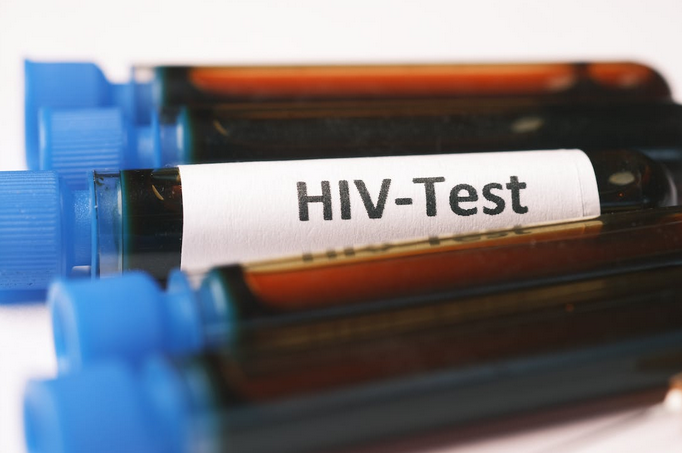
Another deadly disease that affects millions around the globe is HIV/AIDS. HIV stands for human immunodeficiency virus, and AIDS stands for acquired immunodeficiency syndrome. HIV weakens the body’s immune system, leaving it vulnerable to a variety of other illnesses. If left untreated, HIV can progress to AIDS, which is the most advanced form of this virus. There is no cure for HIV/AIDS, and treatment often involves taking antiretroviral drugs that help to manage the virus, but it is important to remember that prevention methods are the best way to avoid this illness. This is why, it is essential to practice safe sex and get tested regularly.

Diabetes

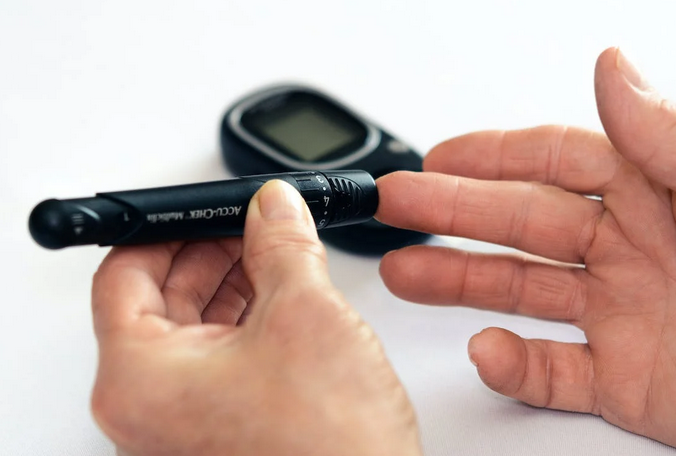
Diabetes is another dangerous disease that affects millions of people worldwide. Diabetes occurs when the body does not produce enough insulin or the cells of the body are unable to use this hormone properly. Without proper treatment, diabetes can cause a number of serious health complications, such as heart disease, stroke, kidney failure, and even death. While there is no cure for diabetes, it can be managed by maintaining a healthy diet, regular physical activity, and monitoring blood sugar levels. It is also important to get regular check-ups with your doctor, which can help detect any signs of diabetes before it becomes more serious. If you are at risk of developing diabetes, making lifestyle changes as soon as possible is important.

These are just a few of the deadliest diseases in the world, and while there is no cure for them all, we can help prevent these illnesses by spreading awareness about prevention …