
big body

Is Your Metabolism Slowing Down? Signs You Shouldn’t Ignore

As we age, it’s not uncommon to notice changes in how our bodies react to food and exercise. If you’ve been feeling more tired, gaining weight despite sticking to the same routine, or noticing changes in digestion, your metabolism might be slowing down. If that’s the case, you definitely need help from Alpilean.com. Be aware of these signs of slow metabolism.

Changes in Skin and Hair Health

A slowing metabolism can affect your skin and hair. If you’re noticing that your skin is drier, more prone to wrinkles, or your hair is thinning, it may be a result of reduced metabolic activity. This is because your body isn’t producing the necessary proteins, like collagen and elastin, at the same rate. These changes can make you feel less confident, but the good news is that they’re often reversible with some lifestyle changes. Improving your metabolism can help restore balance to your skin and hair health.

Unexplained Weight Gain

weight gain

If you’ve noticed weight creeping up without any changes to your diet or exercise routine, your metabolism could be to blame. A slower metabolism means your body isn’t burning calories as efficiently, which leads to weight gain over time. Even if you’re not eating more, your body may store excess calories as fat rather than using them for energy. This can lead to weight gain despite your best efforts. If you’re experiencing this, it’s a good idea to track any changes in your habits and check if your metabolism is slowing down.

Digestive Issues and Bloating

Slow digestion is another clear sign of a sluggish metabolism. If you’re frequently bloated, constipated, or feeling full for longer than usual, your digestive system may not be working as efficiently as it used to. This happens when your metabolism is not breaking down food as quickly or efficiently. Slow digestion can lead to discomfort and make it harder for your body to absorb nutrients properly. If these symptoms are frequent, it could be another sign that your metabolism needs attention.

Fatigue That Doesn’t Go Away

fatigue

Another sign that your metabolism is slowing down is persistent fatigue. Even after a full night’s rest, you might still feel sluggish. This happens because your body is burning energy more slowly, leaving you feeling drained sooner than usual. As your metabolism slows, even everyday tasks can feel exhausting. Instead of feeling energized and ready to take on the day, you might find yourself needing extra naps or struggling to get through your routine. If this is happening consistently, it’s time to evaluate your metabolism.

What You Can Do to Boost Your Metabolism

If you’re noticing these signs, it’s time to make some changes to revitalize your metabolism. Start with regular exercise, especially strength training, which helps build muscle mass and increase your metabolic rate. Eating smaller, balanced meals throughout the day can also help keep your metabolism active. Hydration is key, so drink plenty of water, and manage your stress to avoid disrupting your metabolic function. If lifestyle changes …

Continue reading


diet meals

Weight Loss Meal Planning Without Feeling Deprived

When it comes to losing weight, most people immediately think of restriction, bland food, and constant hunger. The idea of sticking to a strict meal plan often feels intimidating, and it’s no surprise that many give up before they even start. But weight loss doesn’t have to mean feeling deprived. With smart meal planning, it’s possible to enjoy satisfying, nutritious meals that support your goals while keeping hunger—and cravings—at bay.

Start With Balanced, Satisfying Meals

The key to avoiding deprivation is balance. Each meal should include a mix of protein, healthy fats, and fiber-rich carbohydrates. Protein keeps you full, fats support hormone balance, and fiber slows digestion so you don’t get hungry too quickly. Foods like grilled chicken with roasted vegetables, avocado, and quinoa provide energy and satiety without piling on excess calories. When meals are satisfying, you’re far less likely to snack out of frustration or boredom.

Use Tools and Supplements Wisely

Sometimes, having a little extra support can make meal planning easier, and this is exactly what the Burn Slim Official website is for. Products can complement a healthy eating plan by helping manage appetite and support metabolism. While not a replacement for real food, these tools can make sticking to your meal plan feel more manageable, especially during busy days or moments of temptation. Combining these resources with well-planned meals makes weight loss feel achievable rather than like a constant struggle.

Prep Ahead to Stay on Track

meal prepping

One of the biggest challenges in weight loss meal planning is convenience. When life gets busy, the temptation to grab fast food skyrockets. Preparing meals in advance—like chopping vegetables, cooking grains, or portioning proteins—removes that barrier. Even having healthy snacks ready, like nuts or yogurt cups, prevents impulsive choices. Meal prep doesn’t have to be complicated; just a little planning each week can make staying on your plan feel effortless.

Plan for Flavors You Actually Enjoy

Meal planning isn’t just about nutrition—it’s about enjoyment. Including spices, herbs, and seasonings can transform simple foods into exciting meals. Think garlic-roasted veggies, cinnamon-spiced oatmeal, or lemon-drizzled salmon. When your meals taste good, you’re far less likely to feel deprived or cheat on your plan. Don’t force yourself to eat foods you dislike; the goal is sustainability, not punishment.

Include Strategic Treats

Completely cutting out indulgences often backfires. Allowing small, planned treats helps satisfy cravings without derailing progress. For instance, a square of dark chocolate after dinner or a small portion of fruit-based dessert can provide enjoyment while keeping you on track. Including treats in your plan actually trains your mind to expect them in moderation, reducing the feeling of “denial” that makes diets hard to maintain.

Stay Flexible and Adjust

Even the best-laid meal plans need flexibility. Your appetite, energy levels, and schedule can change day to day, and that’s okay. Adjust portion sizes, swap meals, or add extra veggies to accommodate your needs. The goal isn’t perfection; it’s consistency over time. When you permit yourself to adapt, meal planning becomes a tool …

Continue reading

Your Inner Engine: What Fuels Motivation, Drive, and Desire

Everyone talks about motivation as if it’s just a mindset or a matter of willpower. But if you’ve ever felt like your inner fire is flickering—no matter how hard you try to stoke it—you know there’s more to it. Drive, motivation, and even desire aren’t just mental. They’re biological, emotional, and hormonal. And when something is off, it can feel like your engine is running on fumes, even if you’re doing everything right on paper. So what actually powers your inner drive? Let’s break it down.

Hormonal Health: The Power Behind the Push

Testosterone is one of the most important hormones in fueling male motivation, confidence, and energy. It’s not just about physical performance—testosterone helps regulate mood, supports mental clarity, and drives that “get-up-and-go” feeling. When levels drop, even slightly, men often report feeling “off,” sluggish, or disinterested in things they used to enjoy. That’s why many are exploring customized TRT treatment options that are tailored to individual needs and lifestyle. These therapies can help restore balance and reignite the natural drive that many men feel they’ve lost—but didn’t realize was tied to their hormones all along.

Energy Levels and Daily Performance

It’s hard to stay motivated when your body feels like it’s in low-power mode all day. Your energy levels are closely tied to your sleep quality, nutrition, and activity level—but also to how your hormones are functioning. When testosterone and other key hormones are in sync, your body produces energy more efficiently, and you feel more capable of taking on challenges. If you find yourself relying on caffeine or dragging through the day, it might be time to look deeper than just your morning routine.

Mental Clarity and Focus

Drive isn’t just about physical energy—it’s also about being mentally sharp. When you can’t focus or think clearly, it’s nearly impossible to stay motivated. Brain fog, forgetfulness, and lack of concentration are common signs of hormonal imbalance and chronic stress. These mental slowdowns can make even simple tasks feel overwhelming. Addressing the root cause—whether it’s hormonal or lifestyle-related—can dramatically improve how you feel mentally and how well you stay on task.

Emotional Balance and Resilience

Desire and drive aren’t just fueled by excitement—they’re also tied to emotional stability. When your mood swings, motivation often does too. Low testosterone levels, high cortisol from stress, or even nutrient deficiencies can throw your emotional balance off track. This doesn’t mean something is wrong with you emotionally—it means your internal chemistry might need support. Feeling emotionally steady creates a strong foundation for sustained motivation and a positive outlook.

The Role of Purpose and Goals

While biology plays a huge role in motivation, so does having something to aim for. Setting goals that matter to you—whether they’re health-related, career-driven, or personal—gives your brain a clear reason to stay focused and take action. Without direction, it’s easy to fall into autopilot. Aligning your purpose with your physical and mental energy creates a powerful cycle of momentum. The key is to connect the dots between what …

Continue reading
woman

How Top Stars Stay in Shape Amidst the Spotlight

Staying in shape is no easy feat, especially when the world is watching your every move. For top stars, maintaining a fit physique isn’t just about looking good; it’s essential for their careers and personal well-being. Whether it’s a red-carpet event or the popular last picture show nude of Peter Bogdanovich, celebrities are known to be under constant pressure to be in peak form. With packed schedules and relentless pressures from the spotlight, how do they manage to stay at the top of their game? From dedicated personal trainers to innovative workout regimens that keep things fresh, these celebrities have mastered the art of fitness amidst chaos. Let’s dive into the secrets behind their incredible dedication to health and wellness.

Personal Trainers

Personal TrainersPersonal trainers play a crucial role in the fitness journeys of many celebrities. These professionals provide tailored guidance to help stars achieve their specific goals. With their expertise, they design workout plans that fit seamlessly into busy schedules. Having someone dedicated by your side offers motivation and accountability. Many top stars appreciate the support that trainers bring, especially when facing tough days or plateaus.

The bond between a trainer and client can foster an environment where pushing limits becomes the norm. Moreover, personal trainers often introduce new exercises and techniques, keeping routines fresh.

Diverse Workout Regimens

Top stars understand that variety is key to staying fit. They often mix different workout styles to keep their routines fresh and effective. This approach not only boosts motivation but also helps target various muscle groups. From high-intensity interval training (HIIT) to yoga, celebrities embrace diverse regimens. Some prefer traditional weightlifting, while others explore dance classes or martial arts. Each method offers unique benefits and keeps workouts exciting. Incorporating outdoor activities like hiking or biking adds an adventurous twist as well. Embracing nature not only enhances physical fitness but also uplifts mental well-being.

Nutrition Plans

planNutrition plans are a cornerstone of any fitness regimen. Celebrities often work with nutritionists to create personalized meal schedules that energize and nourish their bodies. Many stars focus on whole foods. Lean proteins, fresh fruits, and vegetables fill their plates. They understand the impact of what they eat on performance and appearance.


Hydration plays a vital role as well. Drinking plenty of water helps maintain skin elasticity and overall health. Some even infuse it with herbs or fruit for an extra boost.

Fitness Challenges and Goals

Fitness challenges and goals are crucial for maintaining motivation. Celebrities often set specific targets that align with their personal aspirations. Whether it’s training for a movie role or preparing for an event, these benchmarks keep them focused. Many stars share their journeys on social media, inspiring fans to push their limits too. Some actors aim to run a marathon while others might strive to achieve a particular physique. The variety keeps things fresh and exciting. Moreover, having measurable goals helps track progress.

Staying in shape is a demanding journey, especially for those living in the public eye. Top stars navigate their …

Continue reading
fruit

Mindful Eating for Binge Recovery: A Beginner’s Guide

Binge eating can feel like a rollercoaster ride—thrilling at times, but often leading to regret and discomfort. If you’ve ever found yourself caught in this cycle, it’s time for a change. Enter mindful eating: a powerful practice that encourages awareness and intention during meals. Through food coaching sessions, mindful eating can really help you overcome binge eating and find peace with food.

Rather than racing through your food or giving in to mindless munching, mindful eating invites you to slow down, appreciate the flavors, and listen to your body’s signals. This beginner’s guide will provide you with practical tips on how to embrace mindfulness while enjoying your meals. Let’s explore techniques that can help break the binge-eating pattern and cultivate a healthier relationship with food.

The 5 Senses Exercise (How to Eat Slowly)

The 5 Senses Exercise (How to Eat Slowly)Eating slowly can transform your relationship with food. One effective way to achieve this is through the 5 Senses Exercise. Start by engaging your sight. Observe the colors, shapes, and presentation of your meal. Take a moment to appreciate how it looks on your plate. Next, focus on smell. Inhale deeply and notice the aromas wafting up to you. This sensory experience can enhance anticipation before taking that first bite.

As you begin to eat, pay attention to taste. Let each flavor unfold in layers—sweetness, saltiness, or bitterness—but don’t rush through them. Feel the texture of each bite in your mouth. Is it crunchy? Creamy? Soft? Texture plays a significant role in enjoyment. Then, listen closely as you chew.

Portioning Without Obsession

Learning to portion your meals can be liberating. It’s about finding balance, not restriction. Start by using smaller plates or bowls. This simple change can trick your brain into feeling satisfied with less. Focus on serving a variety of foods, incorporating textures and colors. This makes the meal visually appealing and enjoyable to eat. A colorful plate is often more satisfying than one that looks monotonous. Listen to your body instead of strictly adhering to predetermined portions. Pay attention to how different amounts make you feel throughout the meal. Practice intuitive eating by checking in with yourself as you serve up food.

How to Eat Without Distractions

Eating without distractions can transform your meal experience. Start by creating a calm environment. Silence your phone and turn off the TV. This sets the stage for focused eating. Try to sit at a table instead of munching on the go. A dedicated space encourages mindfulness and signals that it’s time to enjoy your food. If possible, eat with others who share this mindful approach. Conversations can enhance enjoyment but keep them light and engaging, not overwhelming. Take small bites and savor each one. Pay attention to flavors, textures, and aromas as you chew slowly. Notice how you feel throughout the meal; this awareness deepens your connection with food.


Checking In Mid-Meal: The Hunger-Fullness Scale

Mid-meal check-ins can transform your eating experience. They encourage mindfulness and help you tune into your body’s signals. Using the Hunger-Fullness Scale is …

Continue reading
Dentistry

Smile Makeovers: What to Expect From a Full Cosmetic Dentistry Transformation

A dazzling smile is more than just a confidence booster. It’s a reflection of your overall health and happiness. If you’ve ever wished for a more radiant grin, a smile makeover could be the life-changing solution you’ve been waiting for. This comprehensive transformation combines various cosmetic dentistry procedures to enhance your smile, giving you the confidence to shine in every aspect of your life.

What Is a Smile Makeover?

A smile makeover is a personalized approach to improving the appearance of your teeth and gums. It may include treatments like teeth whitening, veneers, crowns, dental implants, and orthodontics. Whether you’re dealing with stained teeth, gaps, chips, or misalignments, your dentist will design a treatment plan tailored to your unique needs.

 Dentistry

The Consultation: Defining Your Dream Smile

The journey begins with an in-depth consultation. During this meeting, you’ll discuss your goals, concerns, and expectations with your dentist. They may use advanced imaging tools or even create a digital preview of your potential results.

Questions to consider before your consultation:

  • What do you like or dislike about your current smile?
  • Are you looking for a natural enhancement or a Hollywood-style transformation?
  • Do you have specific dental issues, like sensitivity or missing teeth, to address?

This is also the time to ask questions about the procedures, timeline, and costs.

Step-by-Step Guide to a Smile Makeover

Pre-Treatment Evaluation

Your dentist will thoroughly examine your teeth, gums, and jaw to ensure you’re a suitable candidate for cosmetic procedures. They may recommend addressing any underlying oral health issues, like cavities or gum disease, before starting the makeover.

Teeth Whitening

Whitening is often the first step to brighten your smile. Professional-grade treatments can lift years of stains, allowing additional enhancements.

Dental Veneers or Crowns

Veneers or crowns can provide a smooth, uniform appearance for cracked, chipped, or uneven teeth. Veneers are thin shells applied to the front of teeth, while crowns encase the entire tooth for added durability.

Orthodontic Solutions

Your dentist may recommend Invisalign or traditional braces if your teeth are misaligned. These treatments align your teeth for a healthier and more aesthetic smile.

Replacing Missing Teeth

Dental implants, bridges, or dentures can restore gaps in your smile, providing both functional and aesthetic benefits. Implants are particularly popular for their durability and natural look.

Gum Contouring

Gum contouring can reshape the gumline for individuals with a “gummy” smile to create a more balanced appearance.

Gum Contouring

How Long Does a Smile Makeover Take?

The timeline for a smile makeover varies based on your treatment plan. Some procedures, like teeth whitening, can be completed in a single visit, while others, such as orthodontics or dental implants, may take several months. Your dentist will outline a realistic timeline during your consultation.

What Are the Benefits of a Smile Makeover?

  • Enhanced Appearance: A brighter, straighter smile improves your overall look.
  • Boosted Confidence: You’ll feel more self-assured in social and professional settings.
  • Improved Oral Health: Addressing dental issues like misalignment or missing teeth promotes better oral hygiene.
  • Long-Term Results: With proper care,
Continue reading
med

Beyond Anxiety: Lesser-Known Uses of Diazepam in Various Medical Conditions

Are you familiar with Diazepam as a treatment for anxiety and panic disorders? While this medication is commonly used for these conditions, its benefits extend beyond alleviating feelings of unease. In this article, we’ll explore the lesser-known uses of Diazepam in various medical conditions, shedding light on its effectiveness in treating ailments such as seizure disorders, insomnia, muscle spasms, and alcohol withdrawal. Let’s dive into the diverse world of Diazepam and discover how it can offer relief beyond anxiety.

Seizure Disorders

Seizure disorders can be challenging to manage, impacting individuals’ daily lives and overall well-being. Diazepam, known for its calming effects on the brain, is also used in the treatment of seizures. People who have the tendency to experience seizures usually get the diazepam for sale online so that they have one on hand wherever they go. It enhances the effects of a neurotransmitter called GABA, inhibiting excessive brain electrical activity that triggers seizures. Diazepam can be given orally or intravenously in emergencies to stop prolonged or recurrent seizures. For those with epilepsy or other seizure disorders, Diazepam plays a crucial role in managing acute episodes effectively.

Insomnia

Do you find yourself tossing and turning in bed, struggling to fall asleep night after night? Insomnia can be a frustrating and exhausting experience for many. The constant battle with racing thoughts and restlessness can significantly impact your quality of life. This is where Diazepam, often prescribed as a short-term solution for insomnia, comes into play. Diazepam helps promote relaxation and improve sleep quality by calming the mind and body. Its soothing properties can help you easily drift into a peaceful slumber. However, it’s essential to use Diazepam for insomnia under the guidance of a healthcare professional.

insomnia

Muscle Spasms

Diazepam, commonly known as Valium, is not just used for anxiety. It can also be prescribed to help manage muscle spasms by acting as a muscle relaxant. Diazepam helps calm overactive muscles and reduce involuntary contractions by targeting the central nervous system. If you find yourself dealing with persistent muscle spasms that impact your daily activities, speaking with your healthcare provider about its benefits could provide some relief. Remember to always follow your doctor’s instructions carefully when taking any medication to ensure safe and effective treatment.

Alcohol Withdrawal

Excessive alcohol consumption can lead to physical dependence, making it challenging for individuals to stop drinking without experiencing withdrawal symptoms. Diazepam, commonly known by the brand name Valium, is sometimes prescribed during alcohol withdrawal to help manage symptoms such as anxiety, tremors, and seizures. When someone abruptly stops drinking after prolonged use, their body may go into a state of hyperexcitability due to changes in neurotransmitter levels. This can result in uncomfortable and potentially dangerous symptoms like hallucinations and elevated heart rates. Diazepam acts as a calming agent on the central nervous system, helping to alleviate these distressing effects.

Remember, while Diazepam can be beneficial in managing these medical conditions, it’s crucial to be aware of its potential side effects and risks. If you believe …

Continue reading
rash

Taking Control: Strategies for Managing and Treating Common Skin Problems

Unlocking the secrets to healthy, radiant skin is a journey that many of us embark on. From pesky dry patches to stubborn dark spots, our skin can sometimes feel like it has a mind of its own. But fear not. With the right knowledge and strategies, you can take control and effectively manage and treat common skin problems. If you currently have a skin problem, consider getting it treated. Skin Clinic in London is known for its effective treatments for various skin problems. In this blog post, we’ll explore some tried-and-true techniques for tackling dry skin, hyperpigmentation, rosacea, eczema, and more. Get ready to embrace your best skin yet as we dive into these practical solutions that will leave you feeling confident and glowing from within.

Dry Skin

Dry SkinAre you tired of dealing with dry, flaky skin that seems impossible to moisturize? Dry skin can be a frustrating issue, but there are strategies you can implement to help restore hydration and achieve a smooth, supple complexion. First and foremost, it’s essential to choose the right skincare products. Look for gentle cleansers that won’t strip away your skin’s natural oils. Opt for moisturizers enriched with hydrating ingredients like hyaluronic acid or ceramides to nourish and lock in moisture deeply.

Another key step in managing dry skin is exfoliation. Regularly removing dead skin cells helps promote cell turnover and allows moisturizers to penetrate more effectively. However, be cautious not to over-exfoliate as this can lead to further irritation.

Hyperpigmentation

Hyperpigmentation is a common skin concern that affects people of all ages and skin types. It refers to the darkening of certain areas on the skin, resulting from an increase in melanin production. This can be caused by various factors such as sun exposure, hormonal changes, acne scars, or certain medical conditions. One effective strategy for managing hyperpigmentation is to protect your skin from harmful UV rays. Applying sunscreen with a high SPF daily can help prevent further darkening of the affected areas. Additionally, wearing protective clothing and seeking shade during peak sun hours can also be beneficial.

Rosacea

Rosacea is a common skin condition that affects millions of people worldwide. It is characterized by redness and flushing of the face, along with visible blood vessels, bumps, and sometimes even eye irritation. Living with rosacea can be frustrating and challenging, as it often brings discomfort and self-consciousness. One key strategy for managing rosacea is to identify triggers that exacerbate symptoms. These triggers can vary from person to person but may include certain foods (spicy dishes or alcohol), extreme temperatures, sun exposure, stress, or certain skincare products. By identifying and avoiding these triggers as much as possible, individuals with rosacea can help minimize flare-ups.

Eczema

Dry SkinLiving with eczema can be a constant battle. This chronic skin condition is characterized by dry, itchy, and inflamed patches of skin that can be incredibly uncomfortable and even painful at times. Eczema affects people of all ages, from infants to adults, and managing its symptoms can feel like …

Continue reading
e-cigarette

How Vape Pens Can Contribute to a Healthier You

In recent years, the use of vape pens has gained significant popularity as an alternative to traditional smoking. With an increasing number of people interested in leading healthier lifestyles, vape pens have emerged as a promising solution. Before clicking on the ‘Vape Pen nachfüllbar’ ads, it’s advisable to know more about vaping. Let’s delve into the various ways vape pens can contribute to a healthier you.

Eliminating Harmful Chemicals

Eliminating Harmful ChemicalsThe most significant advantage of vape pens over traditional cigarettes is the absence of harmful chemicals. Unlike cigarettes, which produce smoke through combustion, vape pens heat e-liquids to create vapor. As a result, there is no burning of tobacco or release of toxic substances like tar, carbon monoxide, or other carcinogens. By choosing a vape pen, you can significantly reduce your exposure to harmful chemicals, promoting better lung health.



Controlled Nicotine Intake

One of the biggest challenges faced by smokers trying to quit is the sheer difficulty of breaking the nicotine addiction. Vape pens offer a solution by allowing users to control their nicotine intake. E-liquids come in various strengths, giving you the flexibility to choose the nicotine level that suits your needs. Over time, you can gradually reduce the nicotine strength, eventually helping you kick the habit altogether.

Improved Respiratory Function

Smoking can cause serious damage to your respiratory system, leading to chronic conditions such as bronchitis or emphysema. Vaping, on the other hand, has been shown to improve respiratory function. Without the inhalation of harmful smoke and chemicals, vape pens provide a less invasive option for those looking to minimize the impact on their lungs. Regular exercise combined with vaping can be a significant step towards better respiratory health..

shopping

Variety of Flavors

Vape pens offer a wide variety of flavors, ranging from traditional tobacco to fruity or dessert-inspired options. This variety plays a crucial role in helping individuals transition from traditional cigarettes to vaping. By finding flavors that you enjoy, you’re more likely to stick to your vape pen and avoid going back to smoking. Additionally, the pleasant taste and aroma can enhance the overall experience, making it more enjoyable than traditional smoking.

Social Benefits

Smoking tobacco cigarettes often leads to social isolation due to increasing limitations on smoking in public spaces. Vape pens, however, provide a socially acceptable alternative. As vape pens produce vapor that dissipates quickly and leaves behind little to no odor, you can enjoy your vape without disturbing those around you. This means you can still satisfy nicotine cravings while participating in social activities without the stigma associated with smoking.

smoking

Conclusion

Vaping with the use of vape pens can undoubtedly contribute to a healthier you. By eliminating harmful chemicals, controlling nicotine intake, improving respiratory function, offering a variety of flavors, and providing social benefits, vape pens present a compelling option for smokers looking to make a positive change. However, it is important to note that while vaping may be a healthier alternative to smoking, it is not without its risks. It is advisable to consult …

Continue reading
tube

The Advantages of Home Healthcare Services: A Comprehensive Guide

There has been a growing demand for home healthcare services as an alternative to traditional institutional care in recent years. Home health care manhattan ny, for instance, provides individuals with personalized and comprehensive medical assistance in the comfort and familiarity of their homes. Below is a look at the advantages of home health care.

Personalized Care

Care plans are designed to address specific medical conditions, considering the patient’s preferences and goals. This personalized approach ensures that patients receive attention while maintaining their independence and dignity.

Enhanced Safety

For many patients, safety is a primary concern when considering care options. Home health care provides a safe and controlled environment where patients can receive medical services without the risks of hospital-acquired infections or falls. Additionally, trained professionals can assess and modify the home environment to minimize potential hazards and ensure optimal safety.

Cost-Effective

Home health care can be a cost-effective alternative to hospital stays or nursing home care. By receiving necessary medical services at home, patients can avoid the costly expenses associated with hospital admissions, such as room charges and additional fees. Moreover, home health care can help prevent or reduce frequent hospital readmissions, leading to significant cost savings in the long run.

Family Involvement and Support

home care

Home health care promotes family involvement in the caregiving process. Family members can actively take part in their loved one’s care, allowing for increased emotional support and improved communication between patients, caregivers, and healthcare professionals. This involvement strengthens the bond between family members and helps patients feel valued, loved, and emotionally supported.

Improved Quality of Life

By receiving medical care in the comfort of their own homes, patients often experience an improved quality of life. They can maintain daily routines, engage in enjoyable activities, and remain connected to their communities. Home health care supports a sense of normalcy and independence, fostering emotional well-being and happiness.

Continuity of Care

Receiving care at home ensures continuity of care and frequent monitoring by a dedicated healthcare team. With regular home visits from skilled professionals, patients can effectively manage their health conditions, receive timely medication management, and undergo necessary therapy sessions – all within their familiar environment. This level of care reduces the risk of complications and promotes better health outcomes.

Home health care offers many advantages for patients seeking personalized, comfortable, cost-effective medical care. By allowing individuals to receive comprehensive care in the comfort of their houses, home health care improves safety, enhances quality of life, fosters family involvement, and ensures continuity of care.…

Continue reading
supplement

The Health Benefits of Lion’s Mane Mushroom Supplement

Have you heard of the Lion’s Mane mushroom? No, it’s not a mythical creature or a new species of lion. It’s a type of mushroom used for centuries in traditional Chinese medicine. But what makes this mushroom so special?

Recent studies have shown that taking Lion’s Mane mushroom supplements can provide incredible health benefits for both your body and mind. So, if you’re curious about boosting your overall wellness with natural remedies, keep reading to learn more about the amazing health benefits of Lion’s Mane mushroom supplement.

Boosts Cognitive Function and Mental Clarity

think

Picture this: a mushroom that could potentially enhance your brainpower. Sounds like something straight out of a fantasy novel, right? Well, Lion’s Mane mushroom might just be the real deal. Research suggests that Lion’s Mane contains compounds that can stimulate the production of nerve growth factor (NGF), a protein critical for brain health. By promoting NGF synthesis, this fantastic fungi may support cognitive function, improve memory, and enhance mental clarity. So, if you want to stay sharp and focused, consider adding the best lion’s mane supplement reviewed by world mushroom society to your wellness arsenal.

Supports Nervous System Health

kneeIn addition to its cognitive benefits, Lion’s Mane mushroom may also play a role in maintaining a healthy nervous system. Studies have indicated that Lion’s Mane exhibits neuroprotective properties by potentially reducing inflammation and oxidative stress in the brain. This could positively impact conditions such as Alzheimer’s and Parkinson’s diseases. While more research is needed, the potential for Lion’s Mane mushroom to support nervous system health is worth exploring further.

Aids Digestive Health

Are you tired of battling digestive issues? Lion’s Mane mushroom might offer some relief. Traditionally used in Chinese medicine to promote digestion, this incredible fungus has been found to possess anti-inflammatory and gastroprotective properties. It may help soothe gastrointestinal discomfort, reduce inflammation in the gut, and support a healthy digestive system. So, if you’re struggling with digestive woes, consider trying Lion’s Mane mushroom supplement.

Immune System Support

Boosting your immune system is always a good idea, and Lion’s Mane mushroom could be just the ally you need. Preliminary research suggests that Lion’s Mane may have immune-enhancing properties, stimulating the production of immune cells and promoting overall immune system health. Incorporating this mushroom supplement into your routine might give your body an extra line of defense against common ailments.

Promotes Overall Well-being and Stress Relief

stressIn our fast-paced, stress-filled lives, finding natural ways to relax and unwind is essential. Lion’s Mane mushroom has been associated with potential stress-relieving properties, helping to combat anxiety and depression symptoms. Moreover, it has been used in traditional medicine as an adaptogen, which means it may help the body adapt to stress more effectively. You might feel calmer, more centered, and ready to take on the world by including Lion’s Mane mushroom in your self-care regimen.


And there you have it, folks; a glimpse into the incredible health benefits of Lion’s Mane mushroom supplement. From boosting cognitive function and supporting nervous …

Continue reading
monitor

What Your Heart Rate Actually Says About Your Health

Our heart rate is something that we all experience on a daily basis, whether it’s racing after a workout or slowing down during moments of relaxation. As your read this acrosophy stethoscope review, you’ll learn what your heart rate can say about you.

But is that true that our heart rate can actually reveal important information about our overall health? In this blog post, we’ll explore the various things that your heart rate could be telling you about your body and what steps you can take to maintain optimal health. Find out more about how to listen to what your heart is saying.

You’re Feeling Stressed

Stress is pretty common; we all encounter it from time to time. But we shouldn’t be. Whether it’s due to work, relationships, or other factors in our lives, stress can pose a serious threat to our overall health and well-being. Luckily, stress manifests itself in our bodies through changes in heart rate. When we’re stressed out, our body releases adrenaline and cortisol hormones which cause

an increase in heart rate. This response is designed to prepare us for “fight or flight” situations where we need to be alert and ready for action.

However, longer stress can lead to chronic increases in heart rate, which puts additional strain on the cardiovascular system. Over time this can contribute to vascular diseases, including high blood pressure and, even more dangerous, heart disease.

You Have Diabetes or Are About to Get It

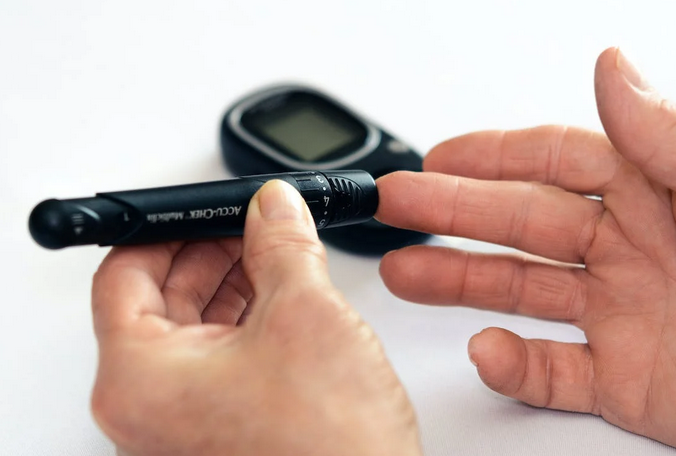
diabetes

Your heart rate can also be an indicator of your risk for diabetes. Diabetes affects how your body processes blood glucose, commonly known as blood sugar. High glucose levels in your bloodstream mean you either have diabetes or are at risk of developing the condition.

A fast resting heart rate may indicate that you have insulin resistance, which occurs when cells in your body don’t respond well to insulin and can’t use glucose effectively. This puts lots of stress on your pancreas to generate more insulin than usual to regulate blood sugar levels.

Additionally, research has shown that people with higher resting heart rates are more likely to develop type 2 diabetes later in comparison to those with normal or low resting heart rates. For this reason, monitoring changes in your heart rate over time can help identify issues early on and prevent complications related to diabetes.

You’re Lacking Exercise

We know that exercise helps strengthen the heart muscle, making it more efficient at pumping blood throughout the body. That said, when we don’t get enough physical activity, our heart has to work harder to perform its job effectively. It’ll bring various issues, such as an increased heart rate even when we’re at rest.

So remember that regular exercise doesn’t just benefit our cardiovascular health – it also improves our mental well-being and overall quality of life. Incorporating strength training exercises into your routine can also help improve cardiovascular health by increasing muscle mass and reducing body fat percentage.

Our heart rate is much more than …

Continue reading
dispatch

First Aid Training: A Life-Saving Skill Worth Learning

Today, we’re going to talk about a topic close to our hearts – first aid training. You might be wondering why it’s essential, and we’re here to tell you all about it. In our day-to-day lives, accidents or emergencies can happen at any moment. And when they do, having the knowledge and skills to handle these situations can make all the difference. Getting first aid training courses can prepare you for any medical emergency, allowing you to make informed decisions and act quickly.

Imagine this, you’re at the park with your family, and suddenly, your child trips and falls, scraping their knee. Or maybe you’re at work, and a colleague starts choking on their lunch. These are just a couple of scenarios where knowing first aid can be incredibly helpful.

First Aid: The Basics

First aid is the immediate care given to someone who is injured or suddenly becomes ill before professional medical help arrives. It could be as simple as applying a bandage to a small cut or as crucial as performing CPR on someone who has stopped breathing. The goal of first aid is to preserve life, prevent further harm, and promote recovery.

When learning first aid, it’s important to familiarise yourself with the basics. This includes knowing how to perform CPR, recognize and treat wounds, respond when someone is choking, heatstroke, or fainting, perform the Heimlich maneuver correctly, and recognize signs of a heart attack or stroke. Additionally, you’ll need to know basic first aid supplies such as bandages, gauze, and other items.

Why Get Trained?

training

You might wonder why you should get first aid training when there are doctors and nurses for that. Well, the truth is, emergencies can happen anytime, anywhere, and sometimes, every second counts. Knowing first aid can make a huge difference in those critical moments before professional help arrives.

Let’s take a look at a real-life scenario. Imagine you’re at a family gathering, and your elderly aunt suddenly collapses, clutching her chest. Panic sets in, and everyone is unsure of what to do. But you, having taken a first aid course, recognize the signs of a heart attack and jump into action. You call for emergency help, administer aspirin, and monitor your aunt’s condition, potentially saving her life. Sounds like something a superhero would do, right?

What to Expect From a First Aid Course

First aid courses are designed to equip you with the knowledge and skills to handle various emergencies. You’ll learn essential techniques like CPR, how to treat burns, cuts, and sprains, and how to recognize the signs of severe conditions like stroke or heart attack. Most courses are hands-on, so you’ll get plenty of practice to build your confidence in your newfound skills.

The Value of First Aid Training

By now, it should be clear why first aid training is so important. It can save lives and give you the peace of mind that you’re prepared to handle any medical emergency, no matter how big or small. So, take …

Continue reading
senior

Home Safety for Seniors: Tips and Tricks for a Safe and Comfortable Environment

Caring for elderly loved ones at home can be a rewarding experience, but it also comes with unique challenges. Ensuring their safety is one of the most critical aspects of caregiving. In this blog post, we’ll discuss some common safety hazards in the home and provide practical solutions to prevent them. Additionally, we’ll emphasize the importance of regular check-ins from friends, family, or professional caregivers to ensure that our elderly loved ones are safe and well-cared for. To ensure the safety of your elderly loved one, consider senior living in Houston, which offers a secure living atmosphere.

Identifying Common Safety Hazards

When caring for seniors at home, it’s essential to consider their physical limitations, mental state, and needs. Some common safety hazards in the home include:

  1. Falls: Falls are the leading cause of injury among seniors, and they can result in fractures, head injuries, and other complications.
  2. Fire hazards: Older adults may have difficulty reacting quickly to fires or may accidentally leave appliances on, posing a fire risk.
  3. Medication errors: Seniors often take multiple medications, increasing the risk of incorrect dosages or mix-ups.
  4. Wandering: Seniors with cognitive impairments, such as dementia or Alzheimer’s, may wander away from home and become lost or disoriented.

Practical Solutions for a Safer Home

dinner

Here are some tips to help make your home safer for elderly loved ones:

  • Prevent falls: Remove tripping hazards like loose rugs, clutter, and electrical cords. Install grab bars in the bathroom and ensure that stairways are well-lit and equipped with sturdy handrails.
  • Reduce fire hazards: Install smoke detectors and carbon monoxide detectors throughout the home, and check them regularly. Encourage seniors to use appliances with automatic shut-off features and avoid using candles.
  • Organize medications: Use pill organizers to help seniors keep track of their medications and dosages. Set reminders or alarms to ensure they take their medications on time.

The Importance of Regular Check-Ins

Regular check-ins from friends, family, or professional caregivers are crucial for ensuring the safety and well-being of elderly individuals. These visits can:

  • Provide an opportunity to assess the home environment and make any necessary safety modifications.
  • Monitor the senior’s physical and mental health, identifying changes requiring medical attention.
  • Offer companionship and social interaction, improving mental well-being and reducing feelings of loneliness and isolation.
  • Ensure that the senior is taking their medications correctly and receiving proper nutrition.

Consider setting up a schedule for regular visits or phone calls, and encourage open communication about any concerns or issues that may arise.

In Conclusion

By identifying common safety hazards and implementing practical solutions, we can create a safer and more comfortable home environment for our elderly loved ones. Regular check-ins from friends, family, or professional caregivers can provide additional support and reassurance, ensuring that our seniors are well-cared for and protected. With these measures in place, we can feel confident in our ability to care for older people and help them enjoy their golden years in their homes.…

Continue reading
laser

Factors to Consider Before Choosing an Acne Scar Treatment

If you’ve battled with acne, then you know how frustrating it can be to get clear skin only to have scars finally remain. Fortunately, there are a plethora of treatments available for acne scarring that promise to restore your skin’s appearance. However, choosing the right one can be overwhelming and confusing. Before making any decisions, it’s important to consider several factors such as the severity and type of scarring, downtime and Recovery time required, cost, and insurance coverage options available. In this article, we’ll explore each factor in detail so you can decide which acne scar treatment is right for you!

Severity of Scarring

The severity of your acne scarring is important when choosing a treatment option. Scarring can range from mild to severe, and different treatments are suited for varying levels of severity. Mild scarring may be treated with topical creams or light therapy, while more moderate scarring may require chemical peels or microdermabrasion. Dermal fillers or even surgery may be necessary for severe scars such as deep pitted scars.

acne

Type of Scarring

When choosing an acne scar treatment, it’s important to consider the type of scarring you have. There are several types of acne scars, each requiring a specific approach for effective treatment. The most common types of acne scars include atrophic scars, which are characterized by a depressed or sunken appearance; hypertrophic and keloid scars, which result from an overproduction of collagen during healing and appear raised or thickened; and dark marks or discoloration left behind after acne has healed.

Downtime and Recovery

Downtime and Recovery are important factors before choosing an acne scar treatment. Different treatments require different amounts of downtime and recovery time, so it’s crucial to understand what you’re getting into. Some treatments may have minimal downtime and allow you to return to your daily activities immediately after the procedure. Others may require a few days or weeks of rest and Recovery before you can resume normal activity.

money

Cost and Insurance Coverage

The cost of acne scar treatment is important to consider before deciding. Different therapies have different prices, and it’s essential to ensure that you can afford the procedure. Insurance may sometimes cover part or all of the treatment expenses. Before choosing a specific acne scar treatment, it’s recommended to consult with your insurance provider regarding coverage options.

By considering these important considerations when selecting an acne scar treatment option, you can make informed decisions about which treatments are most likely to help you achieve clearer, healthier-looking skin over time. So take some time to research your options thoroughly before embarking on any new skincare regimen or procedure!…

Continue reading