
Archive January 22, 2026

Is Your Metabolism Slowing Down? Signs You Shouldn’t Ignore

big body

As we age, it’s not uncommon to notice changes in how our bodies react to food and exercise. If you’ve been feeling more tired, gaining weight despite sticking to the same routine, or noticing changes in digestion, your metabolism might be slowing down. Be aware of these signs of slow metabolism.

Changes in Skin and Hair Health

A slowing metabolism can affect your skin and hair. If you’re noticing that your skin is drier, more prone to wrinkles, or your hair is thinning, it may be a result of reduced metabolic activity. This is because your body isn’t producing the necessary proteins, like collagen and elastin, at the same rate. These changes can make you feel less confident, but the good news is that they’re often reversible with some lifestyle changes. Improving your metabolism can help restore balance to your skin and hair health.

Unexplained Weight Gain

weight gain

If you’ve noticed weight creeping up without any changes to your diet or exercise routine, your metabolism could be to blame. A slower metabolism means your body isn’t burning calories as efficiently, which leads to weight gain over time. Even if you’re not eating more, your body may store excess calories as fat rather than using them for energy. This can lead to weight gain despite your best efforts. If you’re experiencing this, it’s a good idea to track any changes in your habits and check if your metabolism is slowing down.

Digestive Issues and Bloating

Slow digestion is another clear sign of a sluggish metabolism. If you’re frequently bloated, constipated, or feeling full for longer than usual, your digestive system may not be working as efficiently as it used to. This happens when your metabolism is not breaking down food as quickly or efficiently. Slow digestion can lead to discomfort and make it harder for your body to absorb nutrients properly. If these symptoms are frequent, it could be another sign that your metabolism needs attention.

Fatigue That Doesn’t Go Away

fatigue

Another sign that your metabolism is slowing down is persistent fatigue. Even after a full night’s rest, you might still feel sluggish. This happens because your body is burning energy more slowly, leaving you feeling drained sooner than usual. As your metabolism slows, even everyday tasks can feel exhausting. Instead of feeling energized and ready to take on the day, you might find yourself needing extra naps or struggling to get through your routine. If this is happening consistently, it’s time to evaluate your metabolism.

What You Can Do to Boost Your Metabolism

If you’re noticing these signs, it’s time to make some changes to revitalize your metabolism. Start with regular exercise, especially strength training, which helps build muscle mass and increase your metabolic rate. Eating smaller, balanced meals throughout the day can also help keep your metabolism active. Hydration is key, so drink plenty of water, and manage your stress to avoid disrupting your metabolic function. If lifestyle changes aren’t enough, consider weight loss supplements that have been lab tested. …
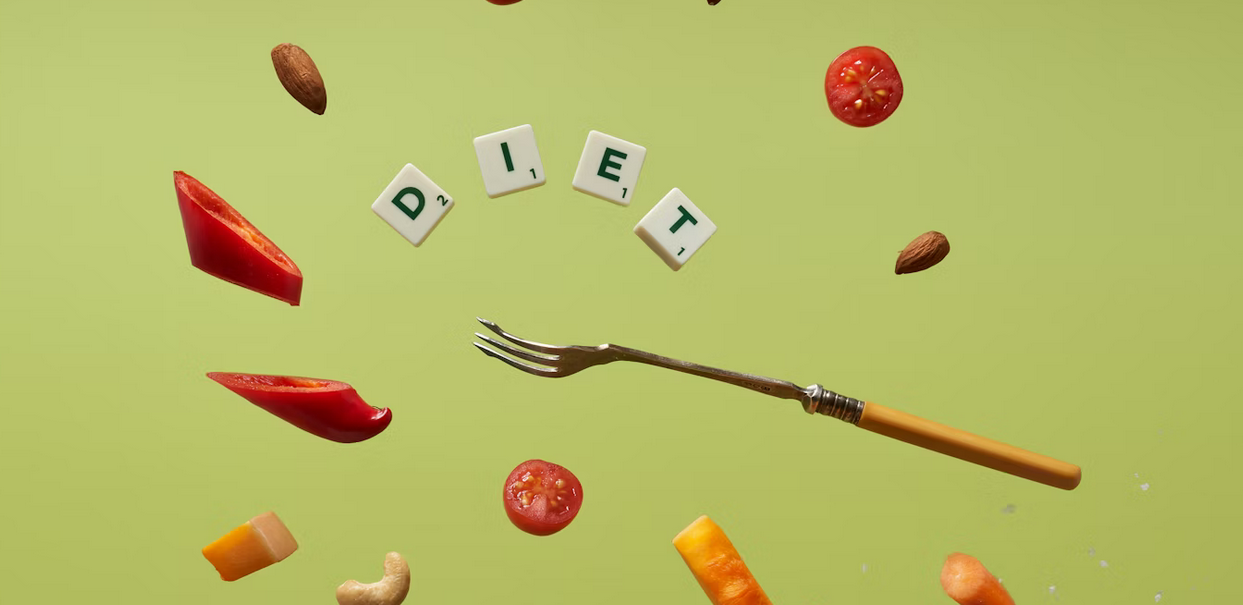

Weight Loss Meal Planning Without Feeling Deprived

diet meals

When it comes to losing weight, most people immediately think of restriction, bland food, and constant hunger. The idea of sticking to a strict meal plan often feels intimidating, and it’s no surprise that many give up before they even start. But weight loss doesn’t have to mean feeling deprived. With smart meal planning, it’s possible to enjoy satisfying, nutritious meals that support your goals while keeping hunger—and cravings—at bay.

Start With Balanced, Satisfying Meals

The key to avoiding deprivation is balance. Each meal should include a mix of protein, healthy fats, and fiber-rich carbohydrates. Protein keeps you full, fats support hormone balance, and fiber slows digestion so you don’t get hungry too quickly. Foods like grilled chicken with roasted vegetables, avocado, and quinoa provide energy and satiety without piling on excess calories. When meals are satisfying, you’re far less likely to snack out of frustration or boredom.

Use Tools and Supplements Wisely

Sometimes, having a little extra support can make meal planning easier, and this is exactly what the Burn Slim Official website is for. Products can complement a healthy eating plan by helping manage appetite and support metabolism. While not a replacement for real food, these tools can make sticking to your meal plan feel more manageable, especially during busy days or moments of temptation. Combining these resources with well-planned meals makes weight loss feel achievable rather than like a constant struggle.

Prep Ahead to Stay on Track

meal prepping

One of the biggest challenges in weight loss meal planning is convenience. When life gets busy, the temptation to grab fast food skyrockets. Preparing meals in advance—like chopping vegetables, cooking grains, or portioning proteins—removes that barrier. Even having healthy snacks ready, like nuts or yogurt cups, prevents impulsive choices. Meal prep doesn’t have to be complicated; just a little planning each week can make staying on your plan feel effortless.

Plan for Flavors You Actually Enjoy

Meal planning isn’t just about nutrition—it’s about enjoyment. Including spices, herbs, and seasonings can transform simple foods into exciting meals. Think garlic-roasted veggies, cinnamon-spiced oatmeal, or lemon-drizzled salmon. When your meals taste good, you’re far less likely to feel deprived or cheat on your plan. Don’t force yourself to eat foods you dislike; the goal is sustainability, not punishment.

Include Strategic Treats

Completely cutting out indulgences often backfires. Allowing small, planned treats helps satisfy cravings without derailing progress. For instance, a square of dark chocolate after dinner or a small portion of fruit-based dessert can provide enjoyment while keeping you on track. Including treats in your plan actually trains your mind to expect them in moderation, reducing the feeling of “denial” that makes diets hard to maintain.

Stay Flexible and Adjust

Even the best-laid meal plans need flexibility. Your appetite, energy levels, and schedule can change day to day, and that’s okay. Adjust portion sizes, swap meals, or add extra veggies to accommodate your needs. The goal isn’t perfection; it’s consistency over time. When you permit yourself to adapt, meal planning becomes a tool …